

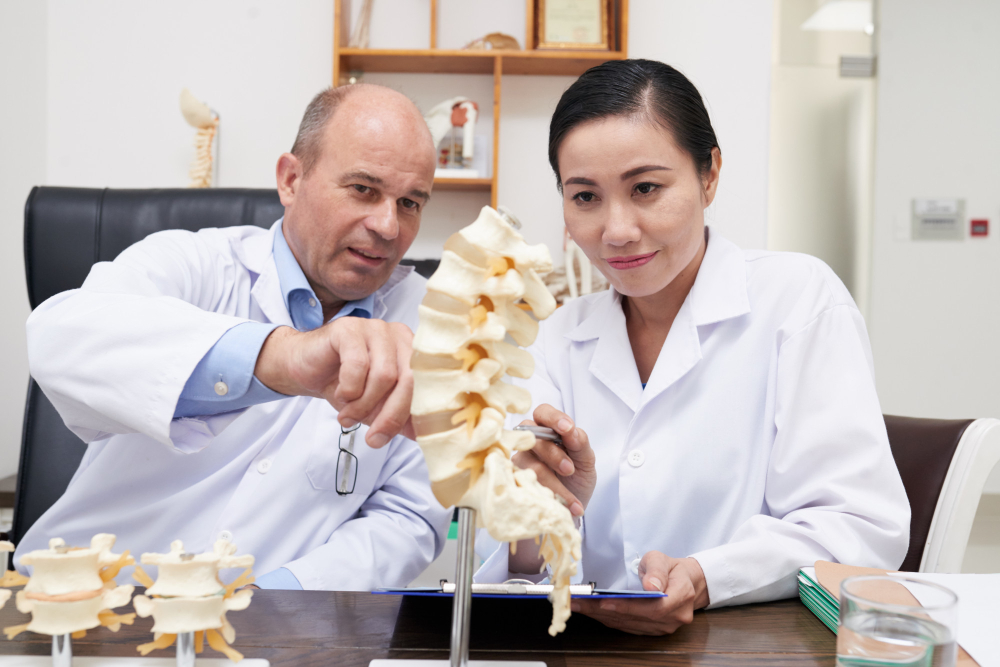
What is a Herniated Disc?
A herniated disc, also called a slipped disc or spinal disc herniation, is a common cause of back pain. In your spine, there are small, soft discs between the bones. These discs act like cushions. Sometimes, a disc can break open or bulge out. When this happens, it is called a herniated disc. This condition can press on nerves and cause pain, numbness, or weakness. Many people experience herniated discs, especially as they get older. According to the CDC, back pain is one of the leading reasons people visit doctors.
Common Symptoms of a Herniated Disc
Not everyone with a herniated disc has symptoms. However, many people notice problems. For example, you may feel pain in your back or neck. Sometimes, the pain spreads to your arms or legs. In addition, you might notice:
Usually, symptoms depend on where the herniated disc is located. For instance, a disc in your lower back may cause leg pain, while a disc in your neck can affect your arms.
Causes and Risk Factors
There are several reasons why a herniated disc can happen. Most often, discs wear down with age. This process is called disc degeneration. Over time, the discs lose water and become less flexible. As a result, they are more likely to tear or rupture. Other causes and risk factors include:
Even though anyone can get a herniated disc, it is more common in people aged 30 to 50.
Diagnosis Methods
If you have back pain or other symptoms, your doctor will ask about your health history. Next, they will do a physical exam. During the exam, your doctor may check your reflexes, muscle strength, and feeling in your arms or legs. Sometimes, more tests are needed. These may include:
With these tests, your doctor can find out if you have a herniated disc and where it is located.
Treatment Options for Herniated Disc
Treatment for a herniated disc depends on your symptoms and how severe they are. In many cases, people get better with simple care at home. For example, you can:
Sometimes, your doctor may suggest stronger treatments. These can include:
Most people do not need surgery. According to the American Academy of Orthopaedic Surgeons, about 90% of people improve without surgery.
Prevention Tips
While you cannot always prevent a herniated disc, you can lower your risk. Here are some helpful tips:
By following these steps, you can help protect your spine and lower your chance of disc problems.
When to See a Doctor
Sometimes, back pain goes away on its own. However, you should see a doctor if:
Early treatment can help prevent more serious problems. Therefore, do not wait if you have these symptoms.
In summary, a herniated disc is a common cause of back pain. With the right care, most people feel better. Consult an orthopedic specialist for personalized advice about herniated disc symptoms or treatment.