

Introduction to Joint Replacement and Its Benefits
Joint replacement surgery can help you move better and feel less pain. Many people choose this surgery to improve their daily life. In fact, joint replacement recovery tips can help you heal faster and enjoy your new joint. Whether you had a knee or hip replacement, you can look forward to more comfort and freedom. According to the World Health Organization, joint replacement is safe and often leads to better movement and less pain. However, you need to care for your new joint to get the best results.
Tips for Safe Walking After Joint Replacement
After surgery, walking is important for your recovery. But, you should start slow and follow your doctor’s advice. For example, use a walker or cane if your doctor suggests it. This can help you avoid falls. Also, wear shoes with non-slip soles for safety. As you get stronger, you can walk longer distances. However, always listen to your body. If you feel pain or swelling, take a break. Here are some walking after joint replacement tips:
Guidelines for Using Stairs Post-Surgery
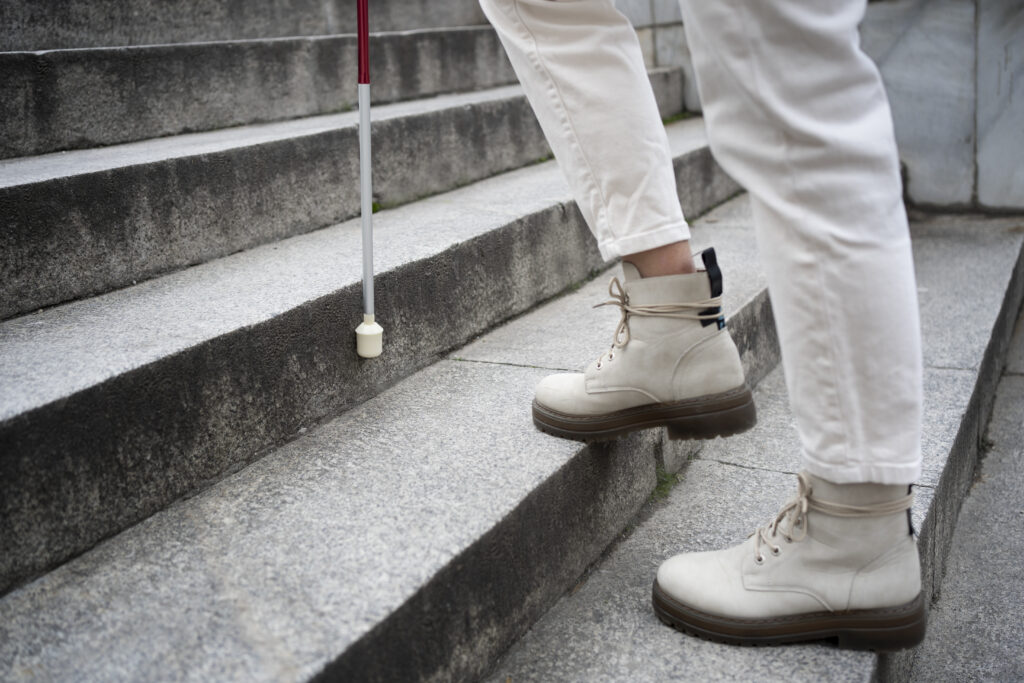
Using stairs after knee or hip replacement can be tricky at first. But, with practice, it gets easier. Always use a handrail for support. In the beginning, go up with your good leg and down with your operated leg. This method helps protect your new joint. Over time, you will gain more strength and balance. Yet, do not rush. If you feel unsure, ask for help. Here are some simple steps for stairs:
Long-Term Care and Maintenance of Your New Joint
Long-term joint care is key for a healthy, active life. Even after you recover, you need to protect your new joint. For instance, keep your weight in a healthy range. This reduces stress on your joint. Also, stay active with gentle exercises like walking, swimming, or cycling. However, avoid high-impact sports that can damage your joint. Regular check-ups with your doctor are important too. They can spot problems early and keep your joint working well.
Lifestyle Adjustments and Daily Activity Recommendations
After joint replacement, some changes can help you stay safe and active. For example, arrange your home to avoid tripping hazards. Remove loose rugs and keep walkways clear. In addition, use chairs with arms to help you stand up. Try to keep items you use often within easy reach. Here are more daily activity tips:
Prevention of Complications and When to Seek Help
Most people recover well after joint replacement. Still, it is important to watch for signs of problems. For example, swelling, redness, or warmth around your joint could mean infection. If you have a fever or severe pain, call your doctor right away. Blood clots are another risk, so keep moving as advised. To prevent complications:
Early action can prevent serious issues and keep your joint healthy.
Conclusion
In summary, joint replacement can give you a new lease on life. By following joint replacement recovery tips, walking safely, using stairs with care, and focusing on long-term joint care, you can enjoy better movement and less pain. Remember, small changes in your daily routine can make a big difference. For the best results, consult an orthopedic specialist for personalized advice on joint replacement recovery and care.