

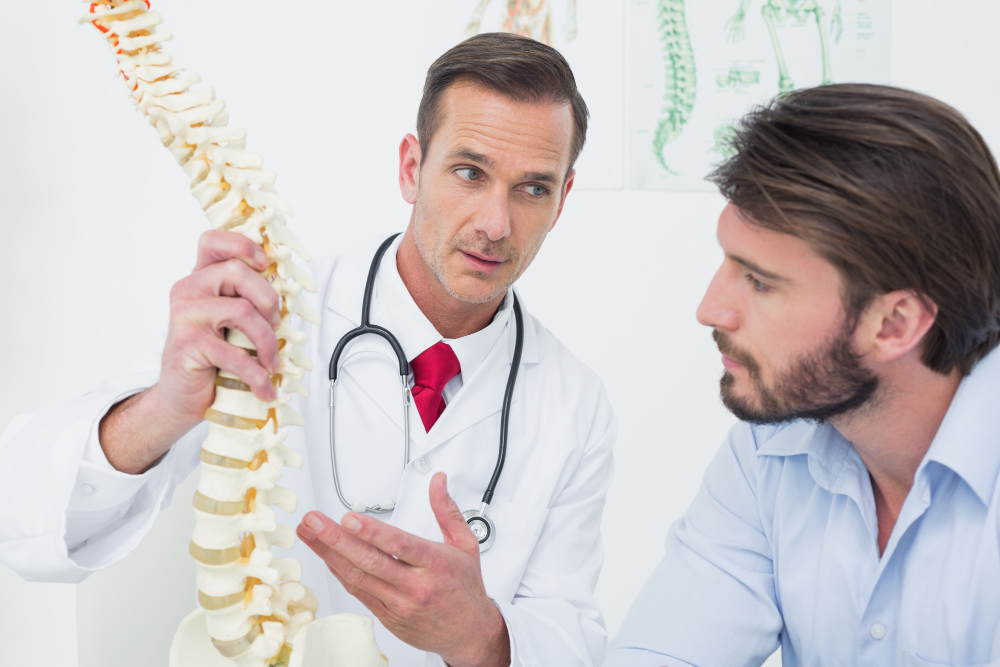
What Is a Herniated Disc?
A herniated disc happens when the soft center of a spinal disc pushes out through a crack in the outer layer. This can press on nerves and cause pain. Because the spine supports your body, any problem here can affect daily life. Most often, herniated discs occur in the lower back, but they can also happen in the neck. According to the CDC, back pain is a common reason people visit doctors. Understanding what a herniated disc is can help you spot symptoms early.
Common Symptoms of a Herniated Disc
Many people wonder about the symptoms of a herniated disc. While some people feel no pain, others may notice clear signs. For example, you might feel:
However, not everyone has the same symptoms. Sometimes, pain can travel down your leg, which is called sciatica. If you notice any of these signs, it is important to pay attention. Early care can help prevent more serious problems.
How Is a Herniated Disc Diagnosed?
Doctors use several steps to diagnose a herniated disc. First, they ask about your symptoms and medical history. Next, they perform a physical exam. During this exam, your doctor may check your strength, reflexes, and feeling in your arms or legs. In some cases, imaging tests are needed. For example, an MRI or CT scan can show the disc and nerves. X-rays may also help rule out other back pain causes. Because each person is different, your doctor will choose the best tests for you.
Treatment Options for a Herniated Disc
There are many herniated disc treatment options. Most people start with simple treatments. However, some may need more advanced care. Here are common options:
Because each case is unique, your doctor will help you choose the best treatment plan.
When to See an Orthopedic Specialist
Sometimes, herniated disc symptoms do not go away with home care. If your pain lasts more than a few weeks, it is time to see an orthopedic specialist. Also, if you have severe pain, numbness, or weakness, seek help right away. Rarely, loss of bladder or bowel control can happen. This is an emergency and needs immediate care. Early treatment can prevent long-term problems and help you recover faster.
Prevention and Lifestyle Tips
While you cannot always prevent a herniated disc, some habits can lower your risk. For example, you can:
By making these changes, you can protect your spine and lower your chance of back pain.
Conclusion and Call-to-Action
In summary, a herniated disc can cause pain, numbness, or weakness. Many treatment options are available, from rest to surgery. However, early diagnosis and care are key to recovery. If you think you have symptoms of a herniated disc, consult an orthopedic specialist for personalized advice and treatment.