

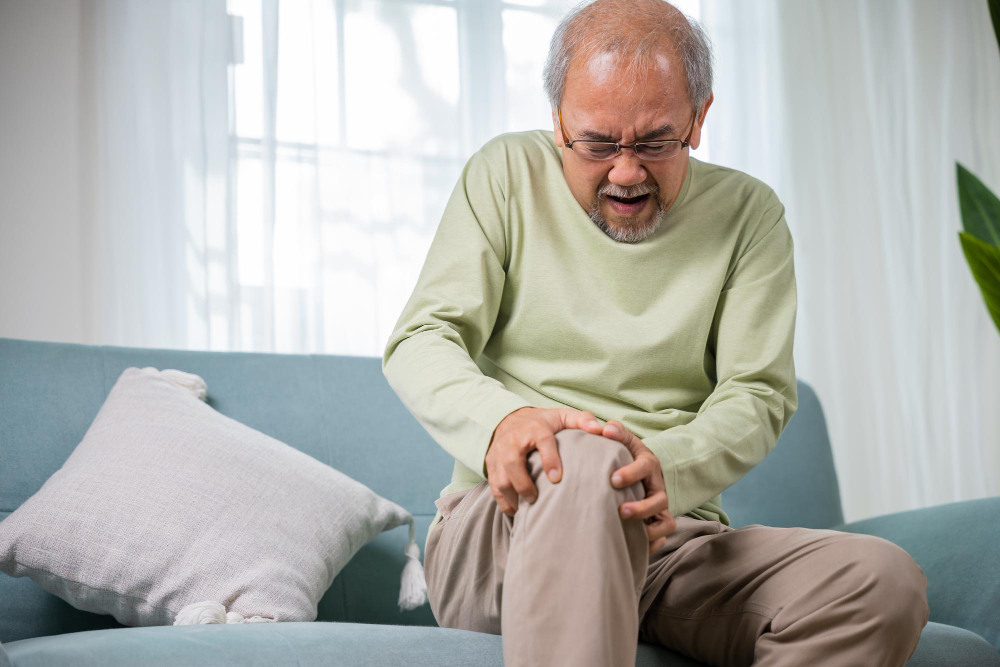
Introduction to Knee Osteoarthritis
Knee osteoarthritis is a common type of arthritis in the knee. It happens when the cartilage in your knee wears down over time. As a result, your bones may rub together, causing pain and stiffness. Many people experience knee pain due to osteoarthritis, especially as they get older. However, early care can help manage symptoms and improve quality of life.
Symptoms of Knee Osteoarthritis
Knee osteoarthritis can cause several symptoms. Often, these signs develop slowly and get worse over time. For example, you may notice:
Sometimes, symptoms can flare up after walking or climbing stairs. But with rest, they may improve for a while.
Causes and Risk Factors
Knee osteoarthritis develops when the cartilage in the knee breaks down. This cartilage acts as a cushion between the bones. Over time, wear and tear can damage it. Several factors can increase your risk, such as:
Because these factors add up, some people develop knee arthritis earlier than others.
Diagnosis Methods
Doctors use several ways to diagnose knee osteoarthritis. First, they will ask about your symptoms and medical history. Next, they may examine your knee for swelling, tenderness, or movement problems. Often, your doctor will order X-rays to check for joint damage. Sometimes, other tests like MRI scans help rule out other causes of knee pain. In many cases, these steps help confirm arthritis in the knee.
Treatment Options
There are many ways to treat knee osteoarthritis. Treatment depends on how severe your symptoms are. Some common options include:
Because each person is different, your doctor will suggest the best treatment for you. If you live in a city with advanced care, you may find specialized knee osteoarthritis treatment nearby.
Lifestyle Tips and Self-Care
Managing knee osteoarthritis at home can make a big difference. For example, you can:
Additionally, joining a support group can help you stay motivated and learn from others.
Prevention Strategies
While you cannot always prevent knee osteoarthritis, you can lower your risk. Try these steps:
Because prevention is easier than treatment, these habits can help protect your knees for years.
When to See a Doctor
If you have knee pain that does not improve with rest, see a doctor. Also, seek help if you notice swelling, warmth, or trouble moving your knee. Early treatment can prevent further damage. In some cases, your doctor may refer you to an orthopedic specialist for advanced care.
For personalized advice on knee osteoarthritis, consult an orthopedic specialist. Early care can help you stay active and reduce pain.